Our Team
A diverse group of education specialists, community development experts, and local leaders.
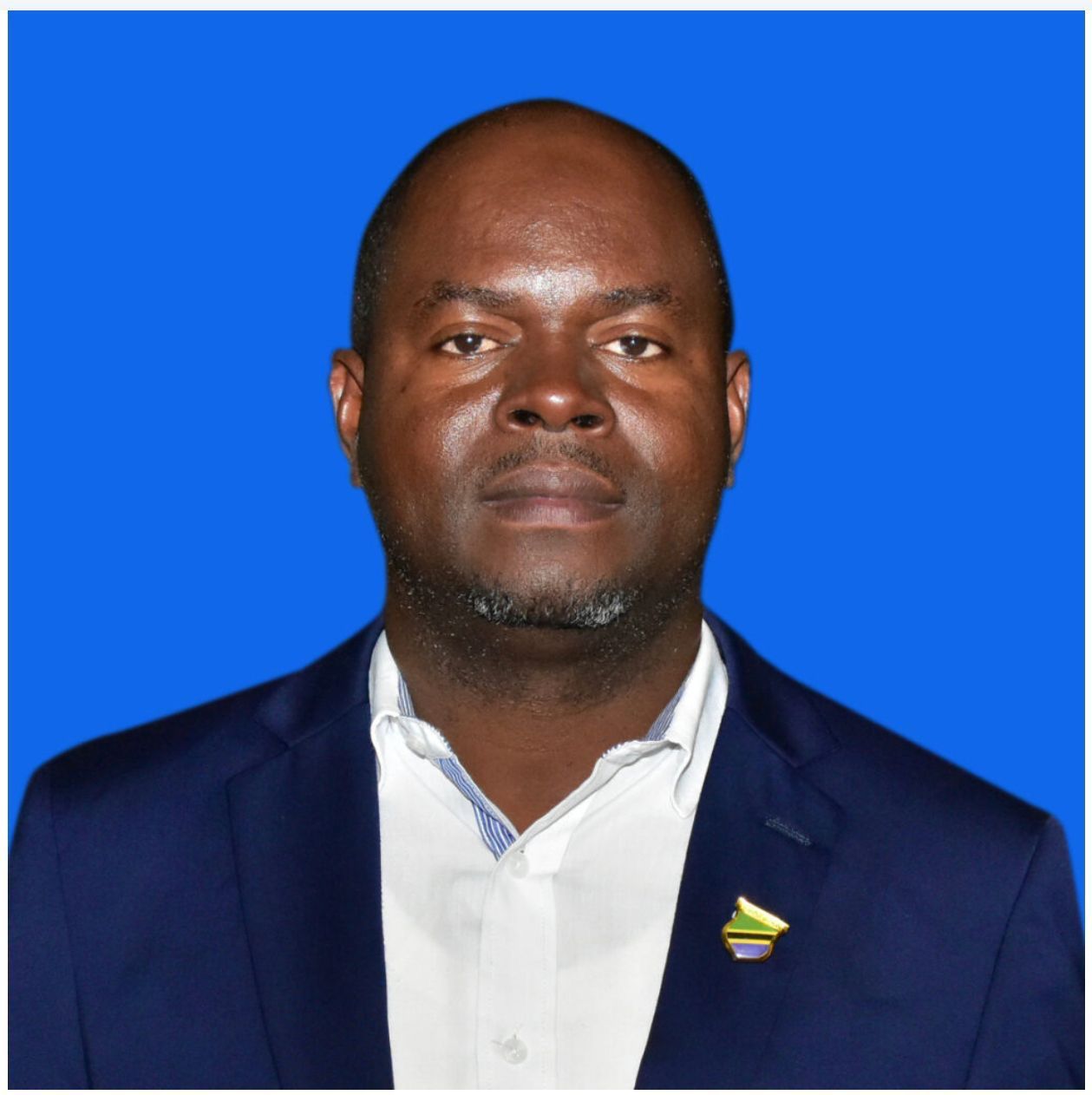
Dr. Jabhera Matogoro
Principal Investigator
Dr Jabhera Matogoro holds a PhD in Telecommunications Engineering and an MSc in Computer Science. He currently serves as a Lecturer at the College of Informatics and Virtual Education, Department of Computer Science and Engineering at the University of Dodoma. Dr Matogoro is a seasoned expert in Artificial Intelligence, with a proven track record in research, innovation, and international collaboration. He is a Board Member of the National Kiswahili Council where he is also championing the KiswahiliNLP Initiative in Tanzania, in addition to his other key responsibilities. Dr Matogoro successfully secured CAD $1,000,000 in funding from SIDA/IDRC/UK FCDO for the "Artificial Intelligence for Development in Africa (AI4D) – Anglophone Africa Research" project in the first phase 2021 - 2024 and CAD $500,000 for the second phase (2025 - 2026), which was co-hosted by the University of Dodoma and the Nelson Mandela African Institution of Science and Technology. He is currently leading a national research project on Artificial Intelligence for Mental Health, funded by the Government of Tanzania through the Tanzania Commission for Science and Technology (COSTECH), with funding amounting to TZS 150 Million. In addition, Dr Matogoro served as a Mozilla Fellow for Open Internet Engineering from 2019 to 2020. He also awarded a six-month fellowship by the Centre for Science & Technology of Non-Aligned and Other Developing Countries to conduct research at the Indian Institute of Technology Bombay (IIT Bombay) from May 2015 to January 2016, fully sponsored by the Government of India. Dr Matogoro has participated in numerous advanced technical training sessions and conferences across the globe, including in Denmark, India, Ireland, Mozambique, Djibouti, Zambia, the USA, Rwanda, and the UK, among others.
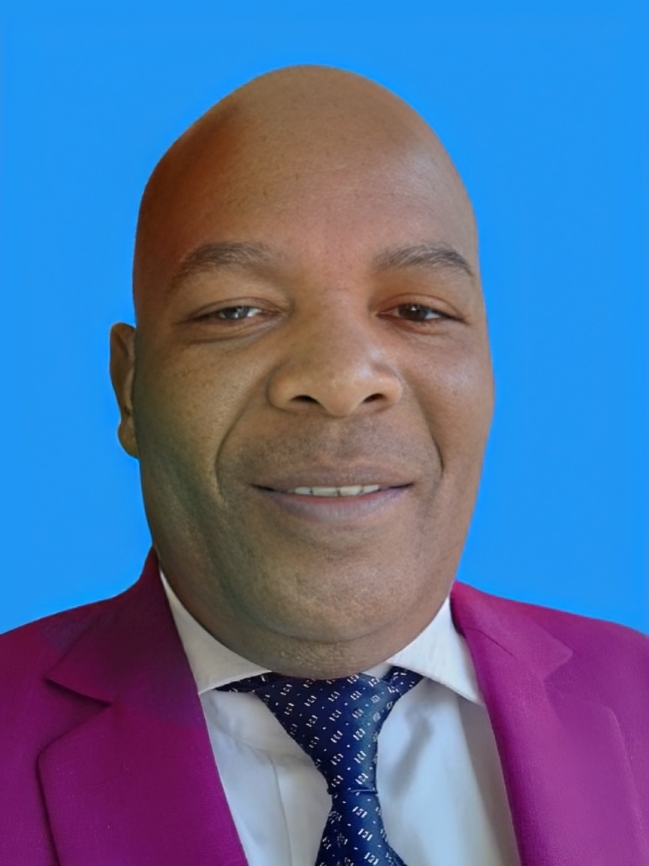
Dr. Hector John Mongi
Co-Principal Investigator
Dr. Hector John Mongi is a Senior Lecturer and Principal of the College of Informatics and Virtual Education (CIVE) at the University of Dodoma (UDOM), Tanzania. He holds a PhD in Information Systems from the University of Dodoma and serves as the Co-Principal Investigator of the Deployment of TV Digital White Space Towards Sustainable School and Community Connectivity in Kondoa District project. His research focuses on Information Systems, ICT for Development (ICT4D), digital transformation, user experience design, data visualization, climate change adaptation, and innovation. Dr. Mongi has successfully led and co-led several nationally and internationally funded research and innovation projects. His current externally funded projects include TEVUAfya: Investigating the Nexus of Relational Well-being, Digital ICT Capabilities and Mental Health Resilience in Tanzania (2025–2028) as Principal Investigator; MAARIFA – Transformative Knowledge for People, Forests and Climate in Tanzania (2024–2028) as Senior Researcher and Work Package Co-Leader; Blockchain Technology for Inclusive Agricultural Innovation in Tanzania (2023–2027) as Co-Principal Investigator; and the TV White Space School and Community Connectivity Project in Kondoa (2024–2026)as Co-Principal Investigator. He has also contributed to projects on e-Government, digital education, agricultural supply chains, climate resilience, and community Internet connectivity, demonstrating a strong track record in securing and managing competitive research funding.

Dr. Florence Upendo Rashidi
Project Member and Radio Frequency Expert
Dr. Florence Upendo Rashidi is a Senior Lecturer in the Department of Electronics and Telecommunication Engineering at the College of Informatics and Virtual Education (CIVE), University of Dodoma (UDOM), Tanzania. She holds a PhD in Computer Science and Technology from Hunan University, China, a Master's degree in Communication and Information Systems from Wuhan University, China, and a Bachelor's degree in Computer Science from Makerere University, Uganda. Her research specializes in Optical Wireless Communications, Free Space Optical (FSO) Communications, Artificial Intelligence, Machine Learning, Software-Defined Networking (SDN), and ICT for Development. In addition to teaching undergraduate and postgraduate students, she actively contributes to research, consultancy, community engagement, and serves as the Coordinator of Research and Publications at the College. Dr. Rashidi has extensive experience in multidisciplinary research and innovation projects. She is the Principal Investigator of the project "Harnessing the Power of ICT in Facilitating Reporting of Child Abuse Cases" and has served as a Project Member in several externally funded initiatives, including Enhancing the Utilization of AI-Powered Clinical Decision Support Systems for Comprehensive Mental Health Care in Tanzania, Dataset for Maternal Health Risk Stratification in Tanzania for Predictive and Responsive Machine Learning, and Improving Vending Machine Payment Methods through Mobile Payment Systems. Her scholarly contributions include peer-reviewed publications in optical wireless communications, AI, SDN-enabled networks, and intelligent computing, reflecting her commitment to advancing digital technologies for societal impact.
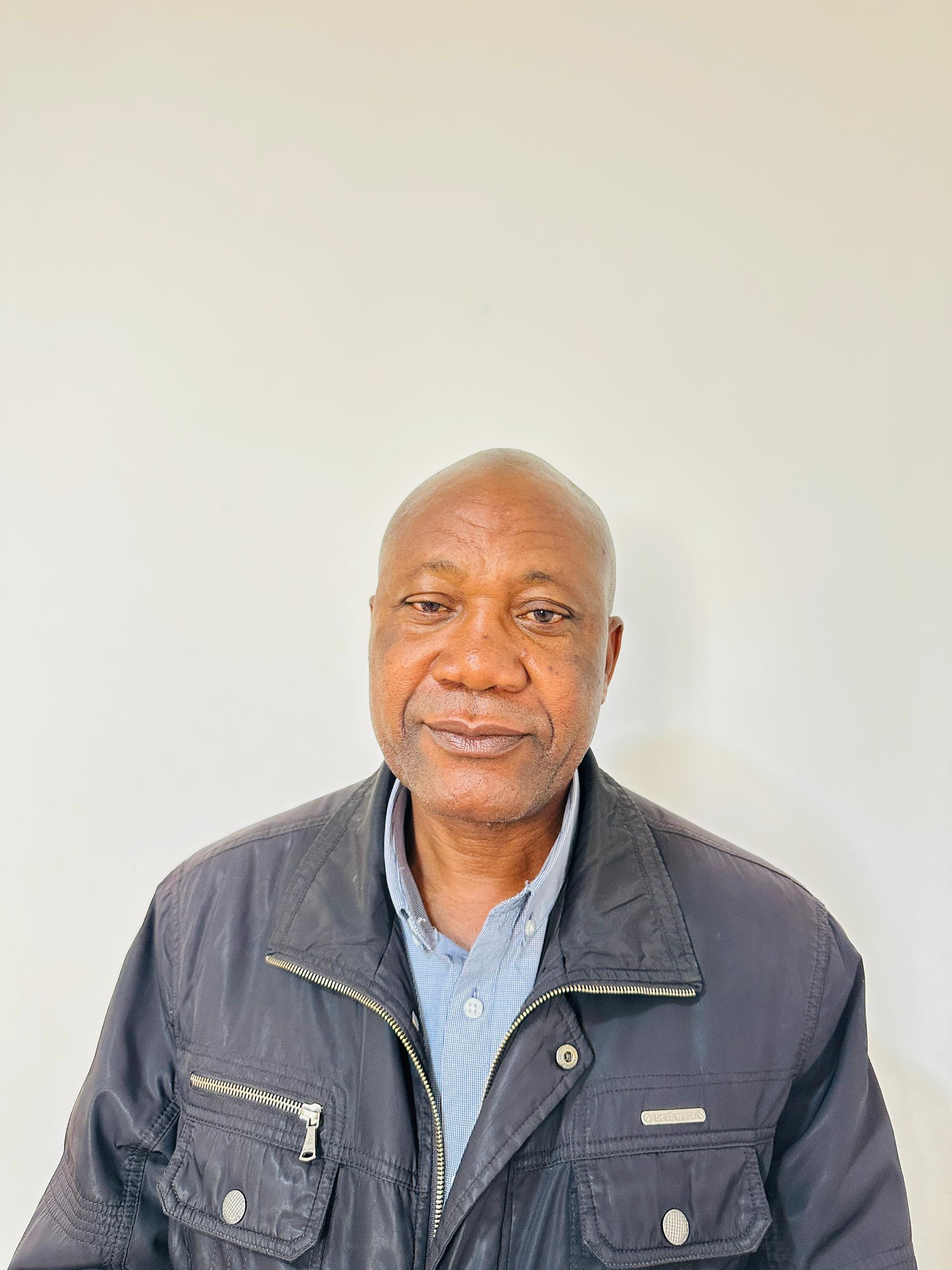
Mr. Willibroad G. T. Bahitwa
Project Administrator
Willibroad G. T. Bahitwa is a Senior Planning Officer at the University of Dodoma (UDOM), Tanzania, with extensive expertise in project planning, strategic management, monitoring and evaluation (M&E), and institutional performance management. He holds a Master's degree in Project Planning, Monitoring and Evaluation and has significant experience in the planning, implementation, coordination, and evaluation of development programmes within higher education and multi-stakeholder environments. His areas of expertise include results-based management, logical framework development, performance monitoring, project budgeting, donor reporting, and evidence-based decision-making. Mr. Bahitwa currently serves as the Project Administrator for the School and Community Connectivity Project, where he oversees project planning, financial and administrative coordination, stakeholder engagement, procurement support, monitoring and reporting, and compliance with donor and institutional requirements. He plays a key role in ensuring the effective implementation of connectivity initiatives that expand affordable Internet access and digital inclusion for schools and underserved communities in Tanzania. His professional interests focus on strengthening institutional performance, enhancing project governance, and delivering sustainable, high-impact development programmes through effective planning, monitoring, and resource management.

Mr. Baraka Matinde Magabe
Research Assistant
Baraka Matinde Magabe is a dynamic development planner and AI governance specialist with over seven years of progressive experience in data management, project monitoring, participatory research, and community network building. His career reflects a rare blend of technical expertise, policy insight, and grassroots engagement—positioning him as one of the emerging leaders shaping Africa’s ethical, inclusive, and scalable AI ecosystem. As the Chief Executive Officer of the Centre for AI and Multidiscipline Solutions in Africa (CAIMSA), Baraka leads a continental initiative dedicated to advancing responsible AI innovation, strengthening digital governance frameworks, and ensuring that African communities benefit equitably from the global technological transformation. Baraka’s leadership at CAIMSA has been marked by bold, high‑impact initiatives that bridge the gap between advanced AI research and real-world development challenges. His most notable achievement to date is the successful launch of Akilichek.africa, an AI‑powered mental health assessment tool developed in partnership with Milembe National Mental Health Hospital—Tanzania’s national referral institution for psychiatric care. This groundbreaking platform represents one of the first locally developed AI mental health tools in East Africa, designed to improve early detection of mental health disorders, expand access to screening services, and support overburdened clinical systems. Under Baraka’s guidance, Akilichek.africa was built with strong ethical safeguards, culturally relevant datasets, and a participatory design approach that involved clinicians, mental health advocates, and community networks. The tool stands as a model for how AI can be responsibly deployed to address public health challenges in low‑resource settings. Beyond mental health innovation, Baraka has led CAIMSA in developing scalable AI solutions across cybersecurity, blockchain applications, and public sector digital transformation. His work emphasizes the importance of building African‑owned technological capacity, strengthening institutional readiness, and promoting governance frameworks that protect human rights while enabling innovation. He is widely recognized for his ability to convene diverse stakeholders—including governments, civil society, academia, and private sector actors—to shape inclusive AI governance dialogues. His leadership has contributed to elevating Africa’s voice in global conversations on AI ethics, safety, and equitable development. Baraka’s expertise in digital inclusion and participatory development is grounded in years of hands‑on experience working with communities, national institutions, and international partners. Prior to founding CAIMSA, he played a pivotal role in Tanzania’s 2022 National Population and Housing Census, serving as a lead data collection supervisor and IT operations coordinator. In this capacity, he oversaw field data teams, ensured the accuracy of geospatial information using GIS and coordinate systems, updated census manuals, and supported the integration of digital tools into the national enumeration process. His contributions helped strengthen the reliability of national demographic data—an essential foundation for planning, resource allocation, and evidence‑based policymaking. Baraka’s professional journey is also defined by his active participation in global AI governance forums and multistakeholder platforms. In 2026, he represented Tanzania at several major international AI summits, including the India AI Impact Forum, UN global dialogue on AI (UNGDAI) Geneva- Switzerland,the MAP‑AI Multistakeholder Dialogue hosted by the Centre for Communication Governance (CCG) and the Global Network Initiative (GNI), and the Global Digital Justice Forum convened by IT for Change and Research ICT Africa. Through these engagements, he contributed African perspectives on responsible AI deployment, data governance, digital rights, and the need for global frameworks that reflect the realities of the Global South. His interventions emphasized the importance of equitable access to AI resources, capacity building for African institutions, and the development of governance models that prioritize societal well‑being. In addition to his international engagements, Baraka has been deeply involved in national and regional digital governance initiatives. He has participated in the Dodoma AI Forum hosted by the Tanzania Community Network Polytechnic College, where he facilitated discussions on AI literacy, youth empowerment, and community‑driven innovation. He also contributed to the 9th Tanzania Internet Governance Forum (TzIGF), where he advocated for stronger national policies on data protection, digital infrastructure, and ethical AI deployment. His ability to translate complex technological concepts into accessible, actionable insights has made him a trusted voice among policymakers, researchers, and community leaders. Baraka’s work is driven by a strong commitment to ethical AI governance, particularly within the Global South. He has championed partnerships that promote responsible innovation, transparency, and accountability in AI systems. His leadership at CAIMSA has helped establish collaborative networks across Africa, India, and Europe—fostering knowledge exchange, joint research, and capacity‑building programs. He is especially passionate about ensuring that African countries are not passive recipients of global AI technologies but active contributors to their development, regulation, and contextual adaptation. Throughout his career, Baraka has demonstrated exceptional project management skills, consistently delivering high‑impact initiatives with zero downtime. His approach combines strategic planning, technical proficiency, and a deep understanding of community dynamics. Whether coordinating national census operations, developing AI tools, or facilitating multistakeholder dialogues, he brings a disciplined, results‑oriented mindset that ensures both efficiency and inclusivity. Baraka’s academic background further strengthens his multidisciplinary approach to development and technology. He holds a Bachelor’s degree in Regional Development Planning, which provided him with a strong foundation in spatial analysis, community development, and policy design. He is currently pursuing a Master of Arts in Development Studies, deepening his expertise in socio‑economic development, governance systems, and the intersection of technology and public policy. His ongoing graduate research explores how AI can be integrated into national development strategies in ways that promote equity, resilience, and long‑term sustainability. His academic and professional experiences converge around a central mission: to harness the transformative potential of AI for Africa’s development while safeguarding human dignity, cultural values, and social justice. Baraka believes that the future of AI in Africa must be built on ethical principles, inclusive participation, and strong governance frameworks that reflect local realities. Through CAIMSA, he continues to champion initiatives that empower African innovators, strengthen institutional capacity, and promote responsible technological advancement. Baraka’s contributions have earned him recognition as a rising leader in Africa’s AI ecosystem. His work in 2026, in particular, has positioned him as an influential voice in global AI governance circles. He has been acknowledged for his ability to deliver impactful projects, build strategic partnerships, and represent African perspectives on international platforms. His leadership style—characterized by humility, collaboration, and a deep sense of purpose—continues to inspire young technologists, policymakers, and development practitioners across the continent. Looking ahead, Baraka aims to expand CAIMSA’s footprint across Africa, strengthen regional AI governance frameworks, and support the development of homegrown AI solutions that address pressing societal challenges. He envisions a future where African countries lead in ethical AI innovation, contribute meaningfully to global standards, and leverage technology to advance health, education, agriculture, and economic development. His ongoing work reflects a steadfast commitment to building a digitally empowered, inclusive, and resilient Africa. Brief Note on Ongoing Master’s in Development Studies Baraka is currently pursuing a Master of Arts in Development Studies, focusing on the intersection of technology, governance, and socio‑economic transformation. His graduate work explores how AI can be integrated into national development agendas, with emphasis on ethical governance, digital inclusion, and sustainable innovation. This ongoing academic journey strengthens his ability to design policy‑aligned AI solutions and contribute to evidence‑based decision‑making at national and regional levels.